Research & Publications
Research
20,000+ Citations · h-index 70+ · Top 1% Most Cited
20,000+ Citations · h-index 70+ · Top 1% Most Cited
My research addresses the defining challenges of sustainable infrastructure: how to harness renewable energy from the ground, how to sequester carbon permanently in geological formations, how to ensure the safety of nuclear waste repositories over millennia, and how to engineer soils using bio-geochemical processes inspired by nature.
Buildings require foundations. I have spent three decades asking why those foundations cannot simultaneously provide renewable heating and cooling. Energy geostructures - piles, walls, and slabs equipped with heat exchanger circuits - harness the thermal stability of the ground to deliver sustainable energy directly from the structures cities are built upon.
Key outputs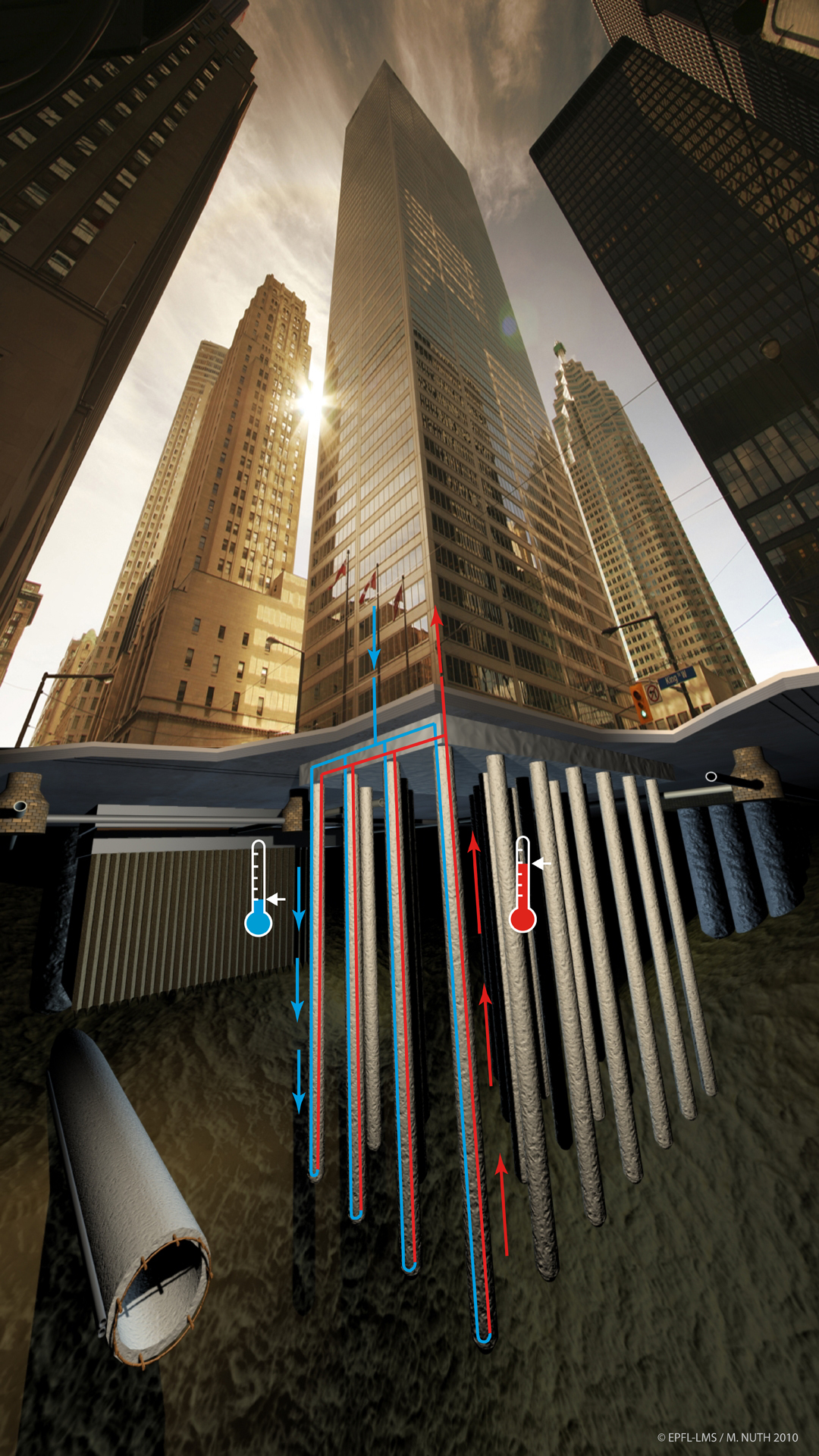
CO2 sequestration is not storage - it is permanent geological disposal. The deep subsurface, with its impermeable caprocks and saline aquifers, can receive and mineralise carbon dioxide at scales that make a material difference to atmospheric concentrations. My research addresses the geomechanical behaviour of formations under CO2 injection, the integrity of caprocks, and the long-term fate of sequestered carbon.
Key outputs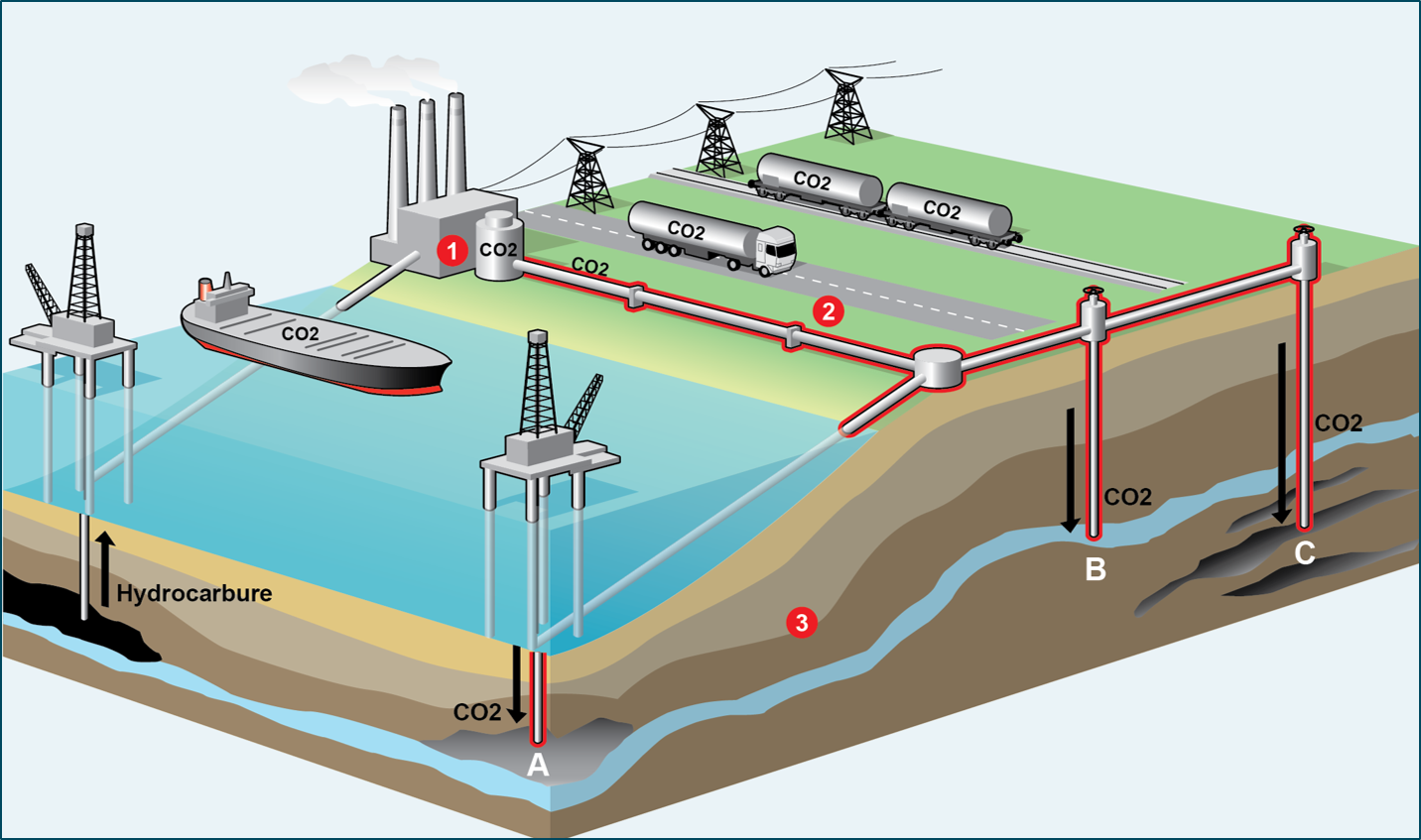
The safety of deep geological repositories for nuclear waste is one of the most demanding engineering problems of our time. Materials must remain isolated for timescales that exceed recorded human history. My research addresses the thermo-hydro-mechanical-chemical behaviour of repository host rocks and engineered barriers, providing the scientific foundation for repository design and safety assessment.
Key outputs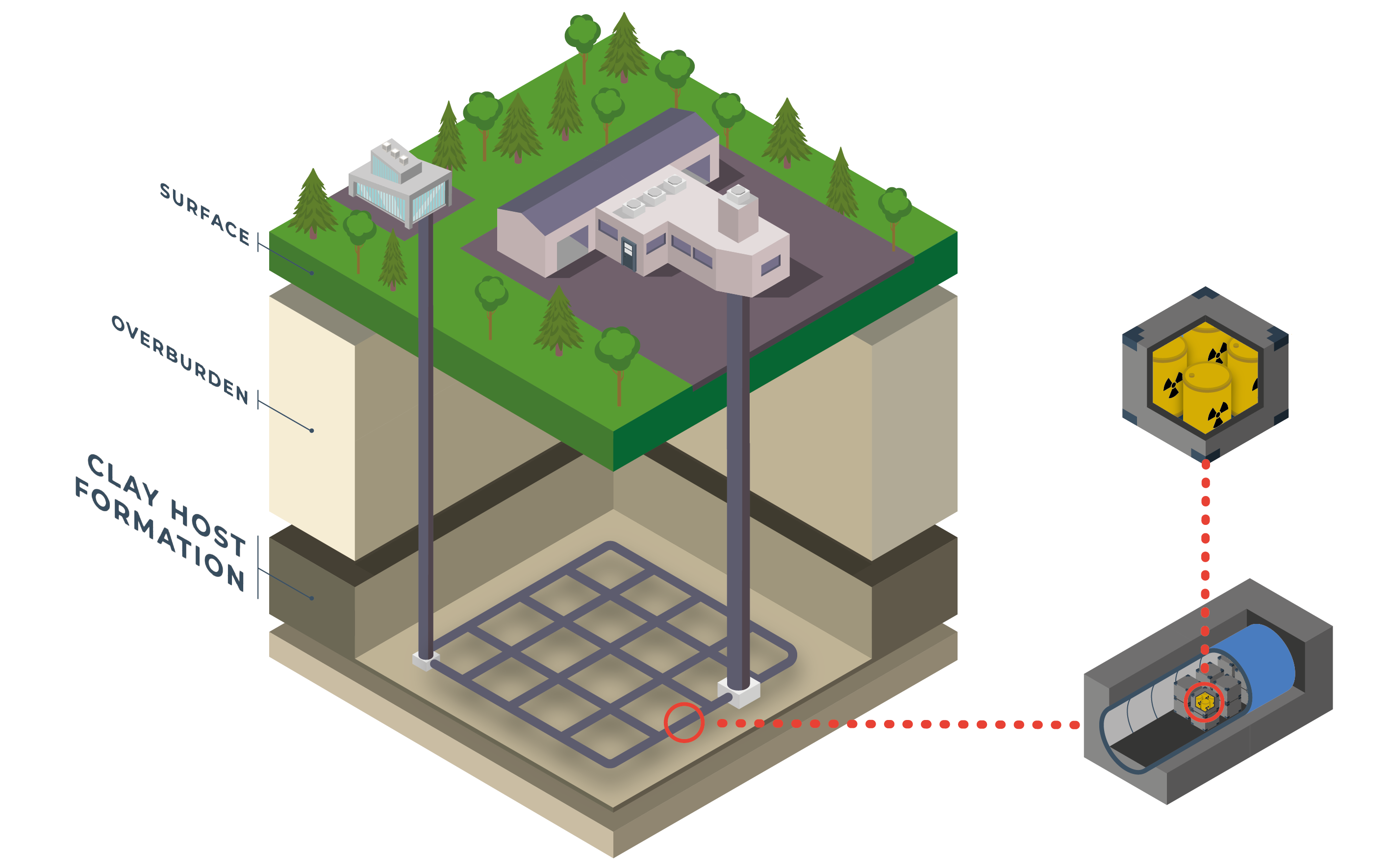
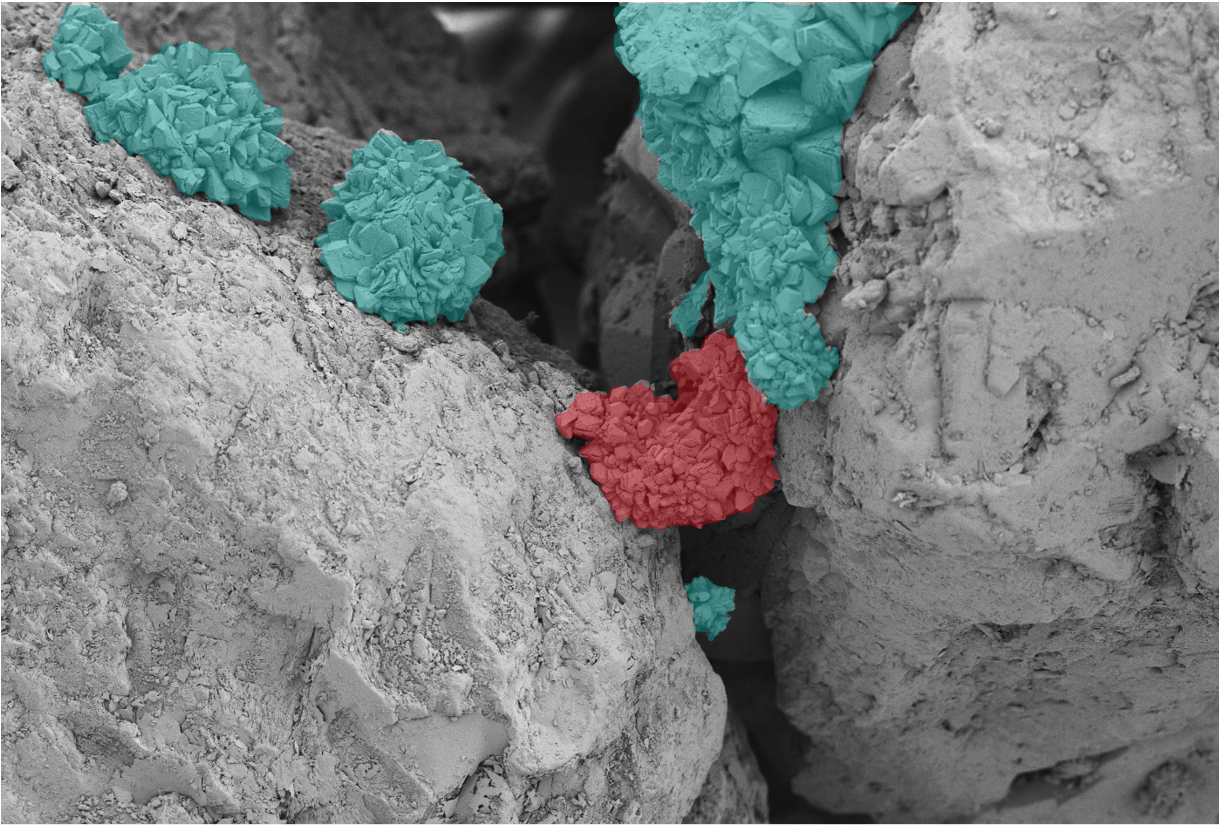
Bacteria have been cementing grains together for billions of years. My research group was among the first to harness this process for geotechnical applications. The result is MeduSoil: a commercially available bio-cement that stabilises soils at comparable cost to Portland cement but with more than 50% lower carbon footprint.
Key outputs